High-Velocity Hurricane Zone (HVHZ): Miami-Dade and Broward only
The High-Velocity Hurricane Zone is a specific, legally defined area covering Miami-Dade and Broward counties — nowhere else in Florida. It was established after Hurricane Andrew in 1992 in response to catastrophic building failures in that specific region, and it carries the strictest testing, product approval (Miami-Dade NOA), and installation requirements in the state. If you live in Orlando or anywhere in Orange County, you are not in the HVHZ. Full stop. Any claim that Orlando is "in the hurricane zone" in the HVHZ sense is simply incorrect.
Wind-Borne Debris Region (WBDR): a different, broader, but still limited zone
The Wind-Borne Debris Region is a separate designation under the Florida Building Code that requires impact protection — either impact-rated windows/doors or approved shutters — on qualifying new construction and some renovation work, even outside the HVHZ. WBDR designation is based on the ultimate design wind speed for a given location under ASCE 7 wind maps as adopted by the Florida Building Code, generally triggered by:
Locations within one mile of the coastal mean high water line where the ultimate design wind speed is 130 mph or greater, or any location statewide where the ultimate design wind speed is 140 mph or greater. These thresholds are what determine WBDR status — not general "hurricane risk" in a loose sense, and not county lines.
Where inland Orange County actually falls
Most of inland Orange County, including the majority of the Orlando metro area, currently falls outside both the HVHZ and the WBDR under the wind speed maps in use as of the current Florida Building Code edition. This is because Orlando is inland, away from the coastal wind-speed thresholds, and the statewide 140 mph threshold generally applies to more extreme-exposure areas than most of Central Florida sees under current mapping. This is a real, verifiable fact — not an assumption — and it's why we're not going to tell you that your Orlando home is code-required to have impact windows if it genuinely isn't.
What's changing: the incoming 9th edition Florida Building Code
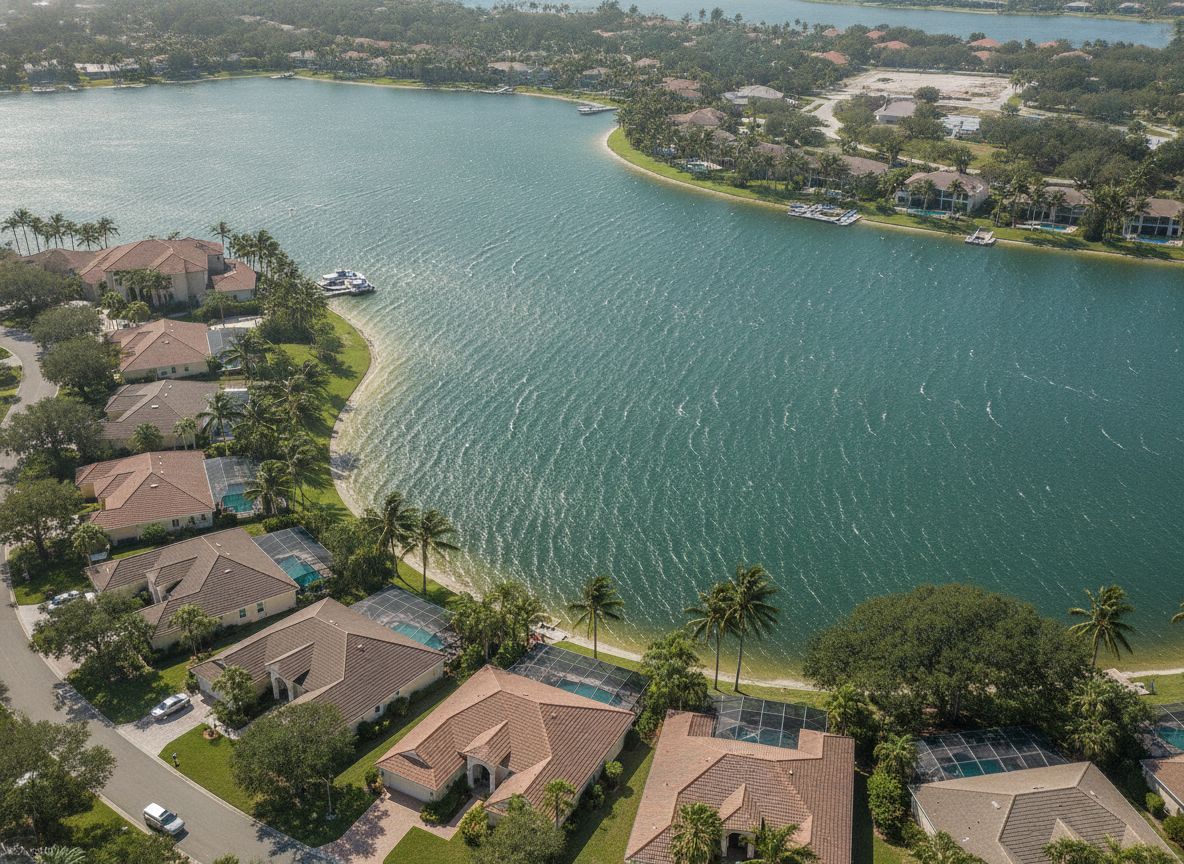
The 9th edition of the Florida Building Code takes effect December 31, 2026, and building codes are periodically updated to reflect revised wind-speed mapping, storm history, and engineering standards. There is a real possibility that updated wind maps in the 9th edition could expand WBDR boundaries to newly include some inland, lake-adjacent, or other higher-exposure pockets that are currently outside the region — Central Florida's numerous lakes create localized wind-exposure conditions that mapping updates sometimes account for differently than prior editions. We're flagging this honestly rather than either overstating it as certain or ignoring it — if your property is near a large lake or in a higher-exposure pocket, it's worth a specific look once the updated maps are finalized.
Why "address-specific" is not a dodge — it's the actual answer
Wind speed and WBDR/HVHZ status are determined by specific geographic criteria — distance to coastline, county, and the applicable wind-speed map for that exact location — not by city name or general region. Two homes ten miles apart can have different design wind speed requirements. This means any blanket statement like "all Orlando homes need impact windows" or, equally, "no Orlando homes need impact windows" is going to be wrong for somebody. The only accurate way to answer this is to look up the specific address against the current wind-speed map and confirm HVHZ/WBDR status for that parcel.
We do this look-up as part of a real assessment rather than guessing over the phone. If a contractor gives you a confident yes-or-no answer about code requirements before knowing your address, that's a sign they're reciting a script rather than checking your actual situation.
Required vs. worth it — two different questions
Even where impact windows aren't code-required, plenty of Central Florida homeowners choose them anyway for reasons that have nothing to do with a permit checklist — insurance credits from wind mitigation inspections, not needing to install shutters before every storm, better noise reduction, and forced-entry resistance. We cover those tradeoffs in our impact vs. standard windows guide. The point of this article isn't to talk you out of impact windows — it's to make sure you're deciding based on accurate information about what's required versus what's optional for your specific home.
Get your specific address checked
Rather than trying to interpret wind-speed maps yourself, the fastest path to a real answer is to have us check your specific address against current HVHZ/WBDR designations and the applicable Florida Building Code wind-speed requirements as part of a free assessment. We'll tell you plainly whether your home falls inside either zone, and we'll be equally direct if it falls outside both — that answer is just as useful for planning your project.
Request a Free Assessment