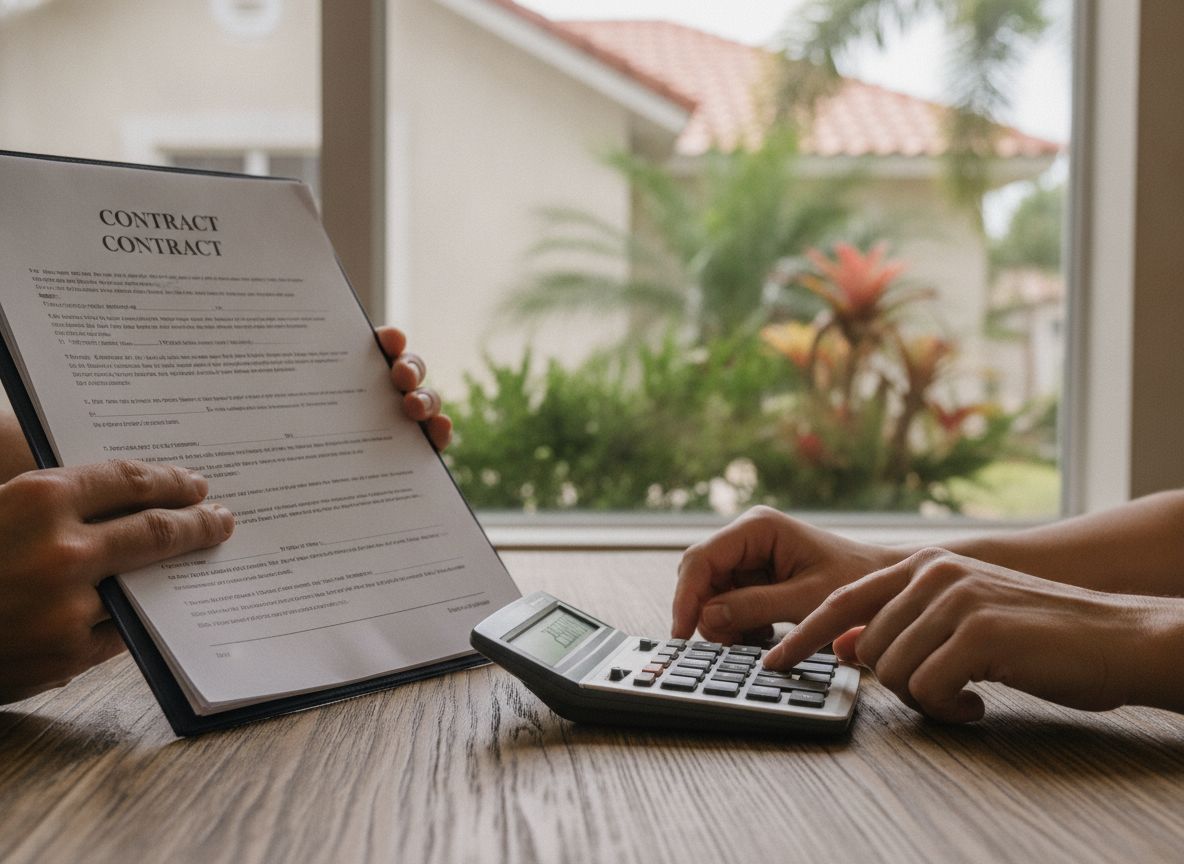
Financing is available — here's how we talk about it honestly.
Qualified homeowners can finance impact windows, doors, and garage doors through third-party lenders. Terms depend on your lender and credit profile — we'd rather explain the real tradeoffs, including where financing types like PACE have run into trouble, than just quote you a low monthly number.
What financing actually looks like
Financing partner
We work with third-party lending programs for qualified homeowners rather than financing projects ourselves. Approval, rate, and term depend on the specific lender's underwriting and your credit profile.
Terms vary by credit profile
Interest rate, monthly payment, and approval amount are set by the lender based on your income, credit, and the total project cost — not a flat rate we can promise up front.
Florida's 2026 sales tax exemption
A new state sales tax exemption on impact windows, doors, and garage doors runs July 1, 2026 through June 30, 2029. This is a real, current benefit — separate from financing. See Hurricane Protection for the full breakdown.
A note on PACE financing
PACE (Property Assessed Clean Energy) financing is legally available in parts of Florida for windows, doors, and garage doors, and it's structured differently than a typical loan — it's repaid as an assessment on your property tax bill rather than a standalone monthly payment.
PACE also has a real, documented history of consumer-protection problems in Florida and nationally, including cases where contractors enrolled homeowners in PACE assessments without clearly explaining the total repayment cost or the fact that it attaches to the property itself. In response, Florida re-regulated PACE in 2024, adding requirements like county opt-in participation and ability-to-pay checks before a homeowner can be enrolled.
We don't push PACE as a default option, and we won't recommend the lowest advertised rate without the rest of the story. If a PACE program comes up as an option for your project, ask before you sign anything: What is the total repayment cost over the full term? How does this affect selling or refinancing the home? Is this a lien against the property? Get the answers in writing, not verbally, and don't feel rushed into a decision.
We'll help you ask the right questions, not just sign the fastest form
Financing can make a needed project possible now instead of years from now — that's real and we won't pretend otherwise. But a monthly payment number by itself doesn't tell you the whole story. We'll walk through the total cost, the term length, what happens if you sell the home before it's paid off, and whether the option in front of you is a standard personal loan, a home equity product, or something structured differently like PACE.
Combined with Florida's new 2026 sales tax exemption on impact products, financing can make sense for the right household on the right terms — we just won't tell you it's simple when it isn't.
- What's the total repayment cost, not just the monthly payment?
- Is this a personal loan, home equity product, or a property-tax assessment (PACE)?
- What happens to the balance if I sell or refinance?
- Is there a deferred-interest clause with retroactive charges?
Financing questions, answered plainly
Requirements depend on the specific lender and program, but typically include proof of income or homeownership, a credit check, and sometimes proof of homeowners insurance. We'll walk you through what a given option actually requires before you apply.
Some promotional 0%-interest or deferred-interest offers exist depending on the lender and your credit profile. Deferred-interest offers can charge retroactive interest from the original purchase date if the balance isn't paid off within the promotional window, so read the specific terms before signing.
PACE is legally available in parts of Florida and is repaid through your property tax bill. It has a documented history of consumer-protection problems, which led Florida to tighten the rules in 2024 with county opt-in requirements and ability-to-pay checks. Ask about total repayment cost, resale impact, and lien status before signing anything.
Financing programs are generally structured around a total project amount, so a combined windows-and-doors or windows-and-garage-door project can typically be financed together under one approval, subject to the lender's own limits and underwriting.
Talk through financing options with us directly.
Free assessment — honest numbers, no pressure to sign on the spot.