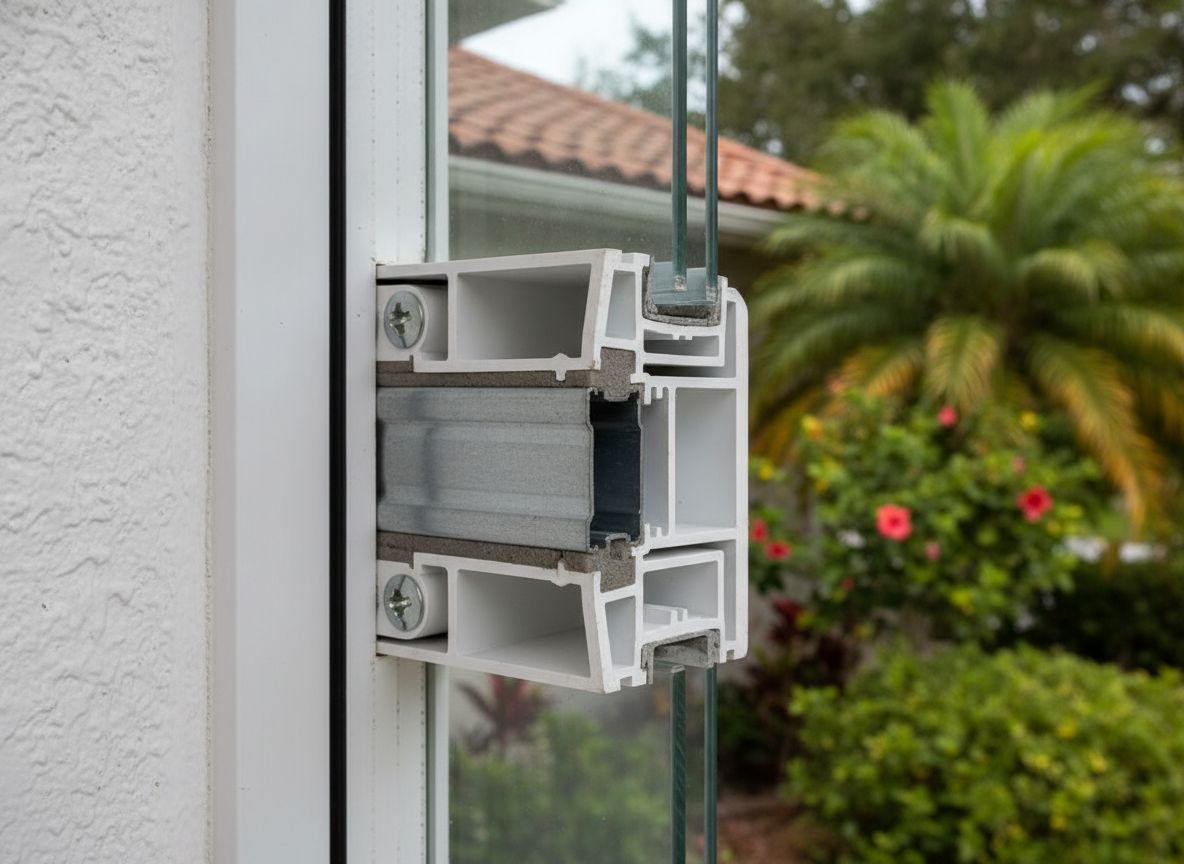
Two separate warranties, two separate responsible parties
Every window or door installation typically involves two distinct warranties that cover different things and are backed by different parties. Confusing the two — or assuming one covers what the other does — is one of the most common sources of frustration homeowners run into years after installation. Understanding the difference upfront, and getting both in writing before you sign a contract, avoids that problem.
The manufacturer's warranty: glass and frame
The manufacturer's warranty covers defects in the product itself — the glass, the frame, the hardware, and the seals — as built and shipped by the window or door manufacturer. This is the warranty backed by the company that actually made the product (PGT/WinGuard and similar manufacturers are common examples in Florida's impact-window market), not by the contractor who installed it. Manufacturer warranties commonly distinguish between different components: glass seal failure (fogging between panes of an insulated unit), frame material defects, and hardware defects may each carry different terms. It's also common for manufacturer warranties to be prorated over time — meaning the coverage or reimbursement percentage decreases the longer you've owned the product — rather than providing full replacement value for the entire warranty period. Always ask for the manufacturer's actual written warranty document for the specific product line being quoted, not a verbal summary, since terms vary meaningfully between manufacturers and even between product tiers from the same manufacturer.
The workmanship (installation) warranty: labor
The workmanship or installation warranty is separate from the manufacturer's warranty and is provided by the contractor who performed the installation — not the manufacturer. This warranty covers issues caused by the installation itself: improper sealing that leads to water intrusion, incorrect flashing, a frame installed out of square, or hardware that wasn't properly adjusted. Workmanship warranties are typically shorter in duration than manufacturer product warranties, and their terms are set entirely by the individual contractor — there's no industry-standard length or coverage scope, which is exactly why you need to see the specific terms in writing rather than assume.
Why the distinction matters in practice
If a window fogs between the panes five years after installation, that's typically a manufacturer glass-seal issue — you'd go through the manufacturer's warranty process, likely coordinated by your original contractor but ultimately backed by the manufacturer. If water is intruding around the frame because of how the unit was installed, that's typically a workmanship issue — you'd go through your contractor's installation warranty, and the manufacturer's warranty likely won't apply because the product itself isn't defective. A contractor who's no longer in business, or who never offered a real workmanship warranty in writing, leaves you with only the manufacturer's product coverage and no recourse for installation-caused problems. This is one of the practical reasons contractor stability and a real local presence matter — see our guide on choosing a licensed window contractor for more on evaluating that.
What's typically excluded from both warranties
Neither warranty typically covers damage from events outside normal use and proper installation — this commonly includes impact damage from debris during a storm event beyond the product's tested rating, damage from improper cleaning products or methods, damage caused by other trades working near the window after installation, normal wear items like weatherstripping over very long periods, or issues arising from a homeowner's own alterations to the unit. Warranty documents typically spell out these exclusions specifically — read them, since "covered" and "excluded" language varies by manufacturer and contractor.
Transferability
If you plan to sell your home, ask whether the manufacturer's warranty and the workmanship warranty are transferable to a new owner, and whether transfer requires any paperwork or fee. A transferable warranty can be a meaningful selling point; a non-transferable one means the coverage effectively ends when you sell, regardless of how much term was originally remaining.
Get both warranties in writing before you sign
Before signing any contract, ask for the manufacturer's written warranty document for the specific product being quoted, and ask your contractor for their workmanship warranty in writing — including exact duration, what's covered, what's excluded, and the process for filing a claim. Verbal assurances ("it's a lifetime warranty, don't worry about it") are not a substitute for the actual document. A contractor confident in their installation quality will have no issue providing this in writing before you commit.
Request a Free Assessment