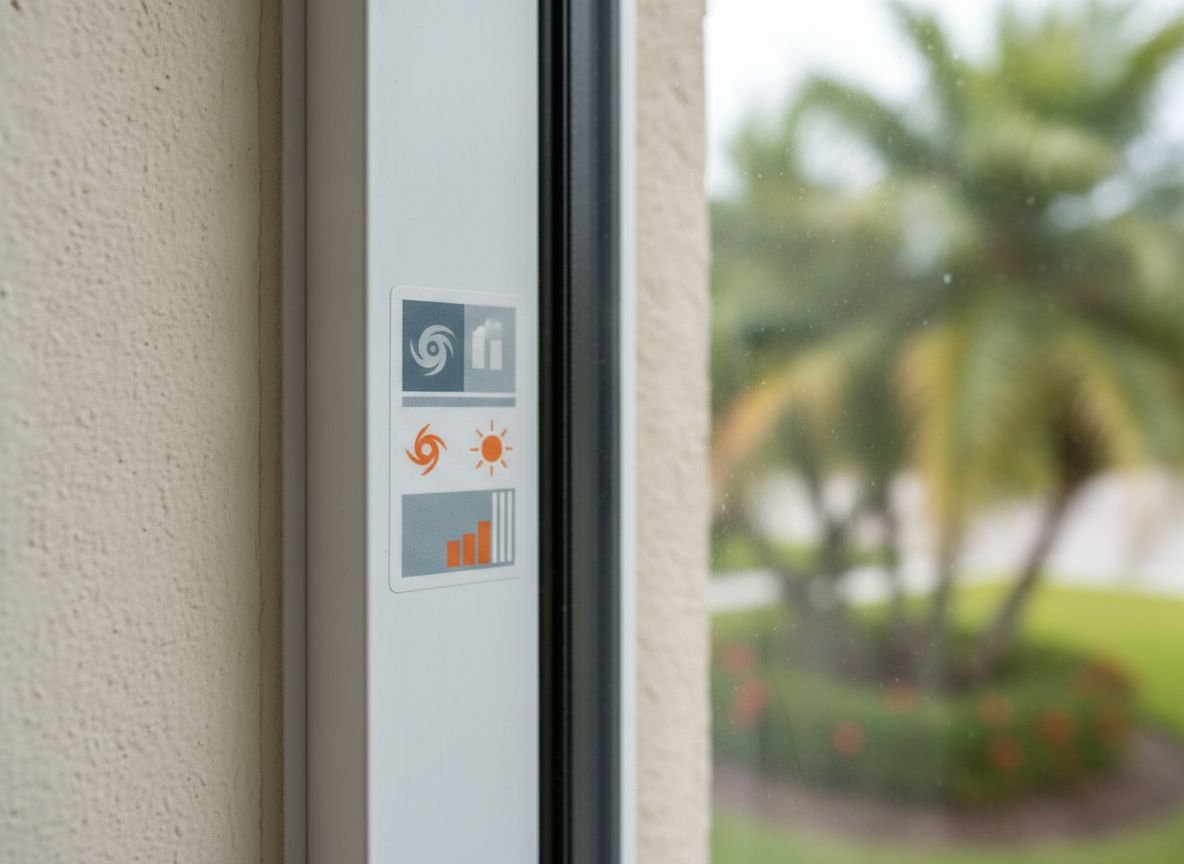
What the Florida Product Approval system actually is
Florida Product Approval is the statewide system, administered through the Florida Building Commission and searchable at floridabuilding.org, that certifies specific building products — windows, doors, garage doors, roofing, and more — as meeting the structural and performance requirements of the Florida Building Code. Each approved product gets a unique approval number tied to a specific manufacturer, product line, and set of tested configurations (size ranges, glass packages, design pressures, anchoring methods).
This isn't a general certification that a company "makes good windows." It's a specific, product-by-product record: this exact window line, in this size range, with this glass package, anchored this way, tested to this design pressure. A product approval for one configuration doesn't automatically cover a different size, a different glass upgrade, or a different installation method — which is exactly why the approval documentation needs to match what's actually going into your home, not just the manufacturer's general reputation.
How it differs from a Miami-Dade NOA
A Miami-Dade Notice of Acceptance (NOA) is a separate, more stringent approval process specific to Miami-Dade County's High-Velocity Hurricane Zone (HVHZ) requirements. Products with a Miami-Dade NOA have generally been tested to a higher bar and are accepted statewide, including in Orlando — but the reverse isn't automatically true. A product approved through the standard statewide Florida Product Approval process doesn't necessarily meet Miami-Dade's HVHZ-specific testing protocol. We cover this distinction in more depth in our Miami-Dade NOA vs. statewide approval guide, since Orlando homeowners generally only need the statewide approval, not the more expensive HVHZ-specific one — unless there's a site-specific reason to want it.
Why homeowners should ask to see the actual documentation
Here's the gap that shows up constantly in this industry: a sales rep tells you a product is "rated for hurricanes" or "meets code," and that's treated as sufficient. It isn't. "Rated" is not a number, a document, or something you can verify — it's a sentence someone said. A real Florida Product Approval is a public record with a specific number that you (or your permit reviewer) can look up and confirm covers the specific product, size, and configuration going into your home.
This matters for more than peace of mind. Your local building department will require the approval documentation to issue a permit for the installation in the first place, especially in any application where wind-load compliance is being verified. If a contractor is vague about product approval numbers, reluctant to provide the documentation, or can't say which specific approval covers your exact window sizes, that's worth pausing on — a legitimate installer should have this information ready and should welcome you asking.
In our experience looking at how this industry actually operates, most competitors don't proactively surface this documentation to homeowners at all — it's treated as back-office paperwork rather than something a customer should see. We think that's backwards. Ask for it before you sign anything.
What to actually check
Ask your contractor for the Florida Product Approval number (or Miami-Dade NOA number, if applicable) for the specific product line being proposed, then look it up yourself at floridabuilding.org to confirm it's current, covers your window or door sizes, and matches the glass package and design pressure being quoted. Confirm the approval hasn't expired or been revised in a way that no longer covers your configuration — approvals are periodically renewed and sometimes updated. This is a five-minute check that tells you far more than any verbal assurance.
Documentation types you'll encounter
Beyond the Florida Product Approval number itself, you may see references to the underlying test standards behind it: ASTM E1886 and E1996 for impact and cyclic wind-pressure testing, AAMA/WDMA/CSA 101/I.S.2/A440 for general window and door performance certification, and NFRC labels for energy performance (U-factor, Solar Heat Gain Coefficient, air infiltration). None of these replace the product approval number — they're the testing basis behind it — but a contractor who can speak fluently about all of them, and produce documentation on request, is demonstrating real product knowledge rather than a sales script.
Request a Free Assessment