Fogging or condensation between the panes
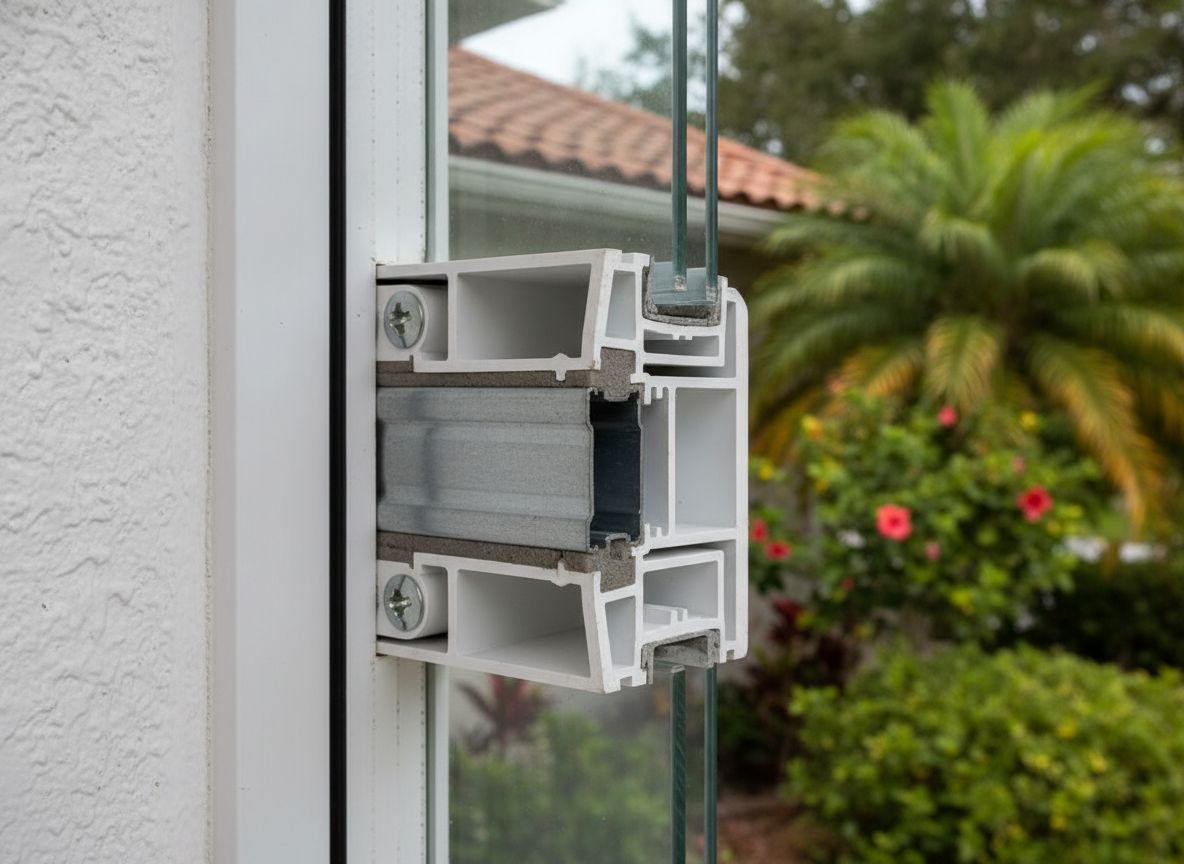
If you see a persistent haze, fog, or visible moisture between two panes of glass in a double-pane window — not on the interior or exterior surface, but trapped in the middle where you can't wipe it away — that's seal failure in the insulated glass unit (IGU). The sealed air gap that gives an IGU its thermal performance has been compromised, letting humid outside air migrate into the gap where it condenses. This is a self-contained glass problem: it doesn't usually mean your whole window or frame has failed, but it does mean that specific IGU has lost its insulating performance and will keep collecting moisture and haze. In many cases, the glass unit alone can be replaced without replacing the whole window, if the frame is otherwise sound — worth asking about specifically rather than assuming a full replacement is required.
Visible or felt drafts
A draft you can feel with your hand near a closed window, or a lit candle flame that flickers near the frame on a windy day, points to a failed or compressed weatherstripping seal, a warped sash that no longer closes flush, or gaps that have opened up between the frame and the surrounding wall over years of thermal expansion and contraction. Weatherstripping is often replaceable on its own. A warped sash or frame, especially on older aluminum single-pane windows, is a harder problem — once the frame itself has racked out of square, sealing it back up is a losing battle, and that's a stronger signal toward replacement.
Wood rot or frame damage
If you have wood-framed windows (less common in Florida new construction than aluminum or vinyl, but still present in many older homes) and you see soft, discolored, or crumbling wood at the sill or frame corners, that's active rot from long-term moisture intrusion — a serious structural issue that only gets worse. Aluminum frames can show corrosion or pitting over decades, especially in coastal-adjacent humidity, which weakens the frame's structural integrity. Any frame-level damage, wood or metal, is generally a replacement signal rather than a repair one, because the frame is what anchors the glass and, in a storm, is what's supposed to keep the whole assembly in the opening.
Rising energy bills
A gradual, unexplained increase in cooling costs — especially on rooms with significant window area facing south or west — can point to failing window performance: degraded seals letting conditioned air escape, failed IGUs no longer insulating effectively, or simply old single-pane glass with poor inherent thermal performance compared to a modern insulated, Low-E-coated unit. This is a slower-moving, harder-to-pin-down sign than fogging or drafts, but it's worth investigating if your utility bills have crept up without an obvious explanation (like a rate increase or a new appliance). See our AAMA vs. NFRC ratings guide for how U-Factor and SHGC affect this.
Difficulty opening or closing
Sashes that stick, require excessive force, or won't stay open on their own (common with old balance springs in single-hung windows) usually indicate mechanical wear, warping, or paint/debris buildup in the tracks. On horizontal rollers, this is often just a dirty or worn track — a genuinely fixable, low-cost repair. On single-hung windows, a failed balance spring is also typically repairable. But if the sash itself has warped out of true, or the frame has shifted enough that the sash no longer travels smoothly regardless of cleaning or hardware replacement, that points back to a structural issue rather than a simple mechanical fix.
When it's a repair vs. a full replacement
As a general framework: isolated IGU fog on an otherwise sound frame, a single failed weatherstrip, a dirty track, or a worn balance spring are usually repairable without replacing the whole window. Frame rot, corrosion, warping severe enough to prevent proper closure, multiple failed seals across many windows, or windows old enough that replacement parts are no longer available all point toward replacement being the more sensible long-term investment rather than repeatedly patching an aging system. If several of these signs are showing up across multiple windows in your home at once, that's often a sign the whole generation of windows is reaching end of life together, which is common since they were typically all installed around the same time.
Getting an honest read on your specific windows
The signs above are reliable indicators, but the right call between repair and replacement depends on your specific windows' age, condition, and how many are affected. A real in-person look is worth more than guessing from a checklist — especially since a partial repair on windows that are close to end-of-life anyway may not be the best use of your money.
Request a Free Assessment