The legal basis: Fla. Stat. §627.0629
Florida law requires property insurers to provide discounts, credits, or other rate differentials — or offer alternative insurance policies — that reflect the reduced risk of loss due to windstorm attributable to home construction features that reduce hurricane damage. This statute, Florida Statutes §627.0629, is why wind mitigation matters financially in Florida in a way it doesn't in most other states: it's not a marketing add-on, it's a rate-setting requirement carriers must follow. Impact-resistant windows and doors (technically "opening protection" in the statute's terminology) are one of several construction features the law recognizes, alongside roof shape, roof-to-wall connections, and roof covering age, among others.
How the credit is actually determined: the wind mitigation inspection
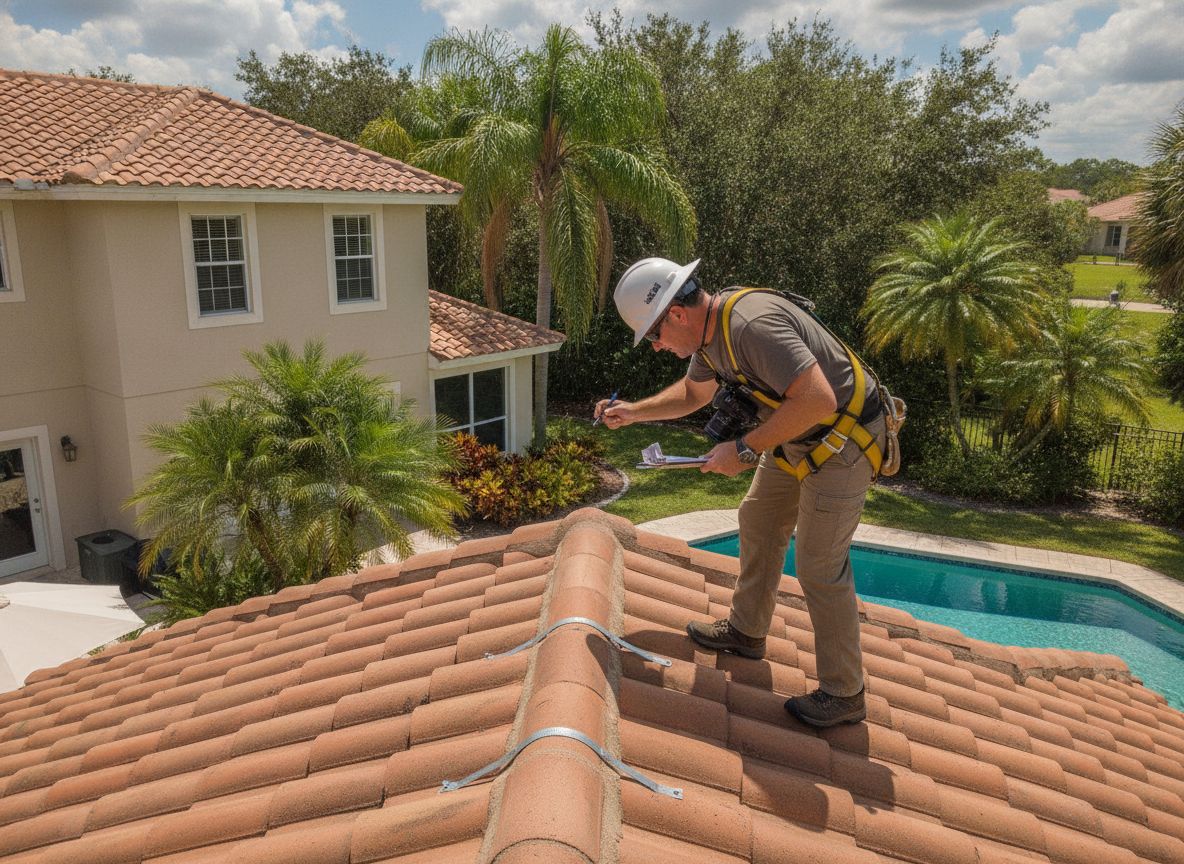
The credit isn't applied just because you tell your insurer you installed impact windows — it's based on a formal wind mitigation inspection, documented on the state-standardized OIR-B1-1802 Uniform Mitigation Verification Inspection Form. This form captures the home's actual construction features across several categories: roof covering, roof deck attachment, roof-to-wall attachment, roof shape, secondary water resistance, and opening protection (windows, doors, skylights, and garage doors). Each category is scored based on what the inspector actually finds and documents — not what a homeowner or contractor states was installed.
Under Florida law, this inspection must be performed by a qualified inspector — categories of professionals authorized to complete the OIR-B1-1802 form include licensed contractors, home inspectors, engineers, and other specifically authorized inspector types as defined by the Florida Office of Insurance Regulation. Everseal can provide documentation of the products installed — Florida Product Approval numbers, installation details, and impact-rating specifications — to support an inspection, but Everseal does not perform the wind mitigation inspection itself. That has to be done by a qualified, independent inspector, and homeowners should arrange that inspection directly.
Why savings vary so much by carrier and policy
Every insurance carrier writing property policies in Florida is required to offer wind mitigation credits, but the actual discount schedules, weighting between categories, and dollar impact vary by carrier, by policy type, and by the specific combination of features a home has. A home with fully impact-rated openings but an older, non-compliant roof deck attachment will see a different credit outcome than a home with both upgraded — because opening protection is only one category on the form, and it interacts with the others. This is exactly why we won't advertise a specific percentage or dollar savings figure as a promise: it depends on your carrier's rate filing, your policy, and your home's full inspection results, not just the windows.
What a completed inspection typically leads to
Once the OIR-B1-1802 form is completed and signed by the qualified inspector, the homeowner submits it to their insurance carrier (or their agent submits it on their behalf). The carrier then applies whatever credit its filed rate structure specifies for the documented features. Some carriers apply the credit at the next renewal; others may allow a mid-term adjustment. The specific timeline and process depends on the carrier — your insurance agent is the right person to ask about how your particular policy handles a new mitigation inspection.
Opening protection is graded by category, not all-or-nothing
The OIR-B1-1802 form doesn't simply check a box for "has impact windows." Opening protection is typically scored across a hierarchy — for example, whether all openings (windows, doors, skylights, and garage doors) are protected by impact-rated products or permanent shutters, versus only some openings, versus none. A home with impact windows but a non-rated garage door, for instance, may not achieve the highest opening-protection tier on the form. This is one reason many homeowners upgrade garage doors and entry doors alongside windows — see our Garage Doors and Entry & Patio Doors pages — to maximize the opening-protection category as a whole rather than partially addressing it.
Keep your documentation
Whatever products you install, keep the manufacturer's Florida Product Approval or Miami-Dade NOA documentation, the permit and final inspection records, and your contractor's invoice. A wind mitigation inspector will want to verify what's actually installed, and having the paperwork organized in advance makes that inspection faster and reduces the chance of a category being scored conservatively due to missing documentation.
The bottom line
Impact windows are a real, legally-recognized factor in Florida wind mitigation credits — but the actual savings on your policy depend on your carrier, your full home's inspection results, and how the opening-protection category interacts with your roof and other construction features. Don't take a specific savings percentage from any contractor's marketing at face value; get a wind mitigation inspection from a qualified, independent inspector after your windows are installed, and ask your insurance agent to explain exactly how your policy applies the resulting credit. For the fuller picture on how impact-rated products fit into your home's overall hurricane protection, see Hurricane Protection.
Request a Free Assessment