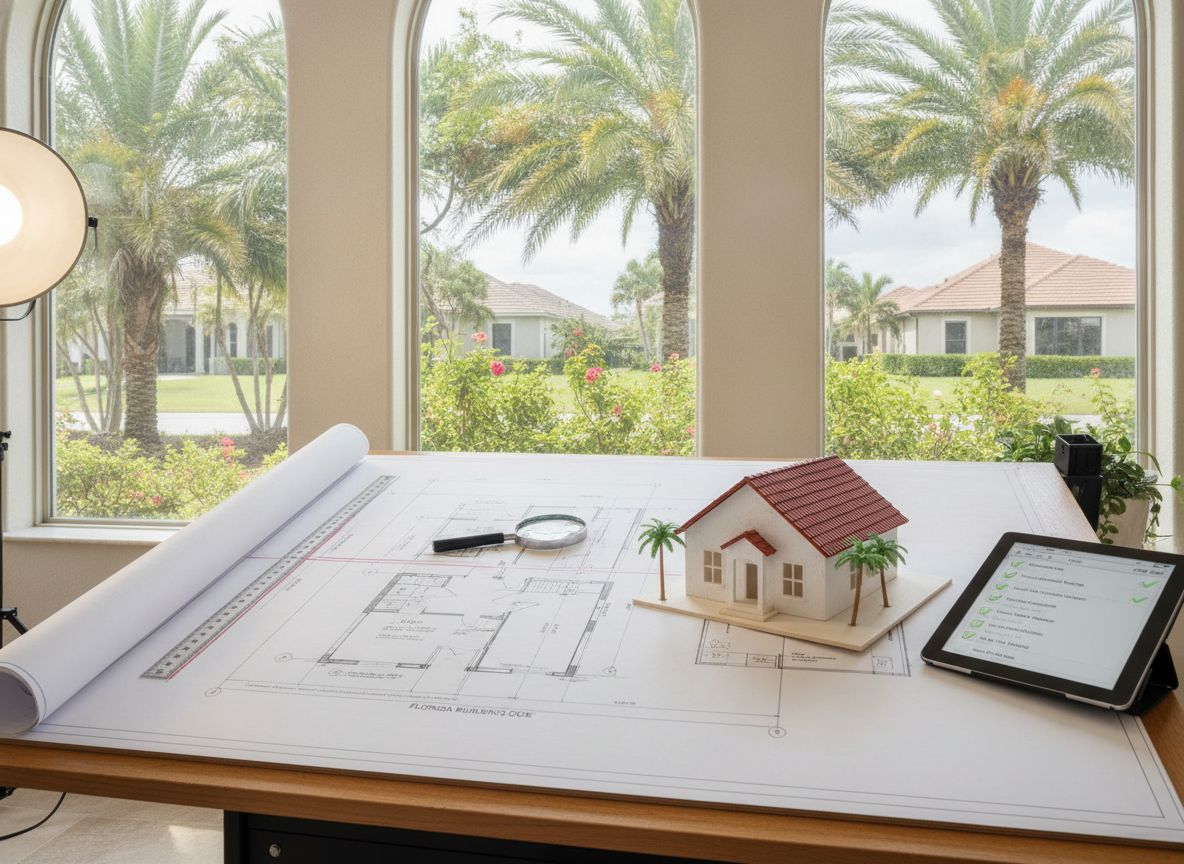
What HB 7031E actually does
During the 2026 special legislative session, Florida lawmakers passed HB 7031E, creating a sales tax exemption for impact-resistant windows, doors, and garage doors. The exemption runs for three years, from July 1, 2026 through June 30, 2029. It is part of a broader $150 million home-hardening tax package aimed at getting more Florida homeowners to invest in wind mitigation before the next storm season rather than after a loss.
This is a meaningfully different incentive than what came before it. Older home-hardening tax holidays in Florida have tended to be short, single-weekend sales tax holidays. A three-year exemption window is a much longer runway, and it signals that the state expects this to be a sustained push rather than a one-time promotional event.
What products are covered
The exemption's scope covers all three major categories of impact-resistant opening protection: windows, doors, and garage doors. That matters because garage doors are frequently the weak point in an otherwise well-protected home — a failed garage door during a hurricane can lead to a pressure differential that damages the roof structure from the inside, so including garage doors in the same exemption as windows and entry doors reflects how wind mitigation actually works as a system, not a single product category.
To qualify, products generally need to meet Florida's impact-resistance standards and carry the appropriate product approval documentation — the same kind of Florida Product Approval or Miami-Dade Notice of Acceptance (NOA) paperwork that already matters for permitting and insurance purposes. Non-impact-rated windows and doors, and decorative or non-structural products, would not be expected to qualify.
The exemption mechanism is not yet fully confirmed
There are two general ways a sales tax exemption like this typically gets administered: as an automatic exemption applied at the point of sale (the tax simply isn't charged on the invoice), or as a refund process where the buyer pays sales tax up front and later applies to the Florida Department of Revenue for reimbursement. Which approach applies here — and whether it differs for materials purchased directly by a licensed contractor versus a homeowner purchasing products themselves — is a detail we're watching for in the Department of Revenue's implementing guidance rather than guessing at.
We'll update this page as soon as that guidance is final. In the meantime, if you're planning a project that will close on or after July 1, 2026, it's worth asking us directly what documentation to keep from the purchase so you're positioned correctly no matter which mechanism the state finalizes.
Why this is part of a $150 million package
HB 7031E's exemption doesn't exist in isolation — it's one piece of a $150 million state investment in home hardening incentives passed in the same special session. The broader goal is straightforward: impact-resistant construction reduces claims severity after hurricanes, which in turn affects the health of Florida's property insurance market statewide, not just for the individual homeowner who hardens their home. Reducing the up-front cost barrier through a sales tax exemption is a direct way to increase adoption of impact windows, doors, and garage doors across the state's aging housing stock.
This sits alongside other state-level mitigation efforts, including the My Safe Florida Home matching grant program and the wind-mitigation insurance credit system tied to the OIR-B1-1802 inspection form. Together, these represent the current state policy environment: multiple, real, currently-active incentives to harden a home against wind, layered on top of each other.
How this differs from the (now-dead) federal tax credit
It's worth being direct about this because a lot of older content online still gets it wrong: the federal Section 25C energy-efficiency tax credit, which previously could apply to certain qualifying windows and doors, is dead for products placed in service after December 31, 2025. That termination was accelerated by the 2025 One Big Beautiful Bill Act (Public Law 119-21), confirmed via IRS guidance. If you're planning a 2026 purchase, do not expect a federal tax credit to apply — that incentive is gone, full stop.
Florida's new sales tax exemption is a completely separate, state-level benefit, and it is real and currently scheduled to run through mid-2029. Don't let outdated information about a federal credit lead you to underestimate — or wrongly assume you're getting — the wrong incentive on your invoice.
What to do while final guidance is pending
Because the point-of-sale-versus-refund mechanism isn't finalized yet, the most useful thing a homeowner can do right now is plan the project timeline with July 1, 2026 in mind, and keep every piece of paperwork from the purchase and installation: itemized invoices, product approval documentation, and permit records. Whichever mechanism the Department of Revenue lands on, that documentation is what you'll need to claim the benefit.
If your project is already underway or was completed before July 1, 2026, the exemption would not apply retroactively — the window is specifically July 1, 2026 through June 30, 2029, based on when the product is purchased or the transaction otherwise qualifies under the statute.
What this means for a typical Orlando project
For a full-home impact window and door replacement, sales tax is a real dollar figure — often thousands of dollars on a whole-house project. An exemption that removes that line item, stacked against the possibility of a wind-mitigation insurance credit and, for some homeowners, a My Safe Florida Home matching grant, changes the real math on a hurricane-hardening project in a way that's worth walking through with actual numbers for your home rather than general assumptions.
Request a Free Assessment